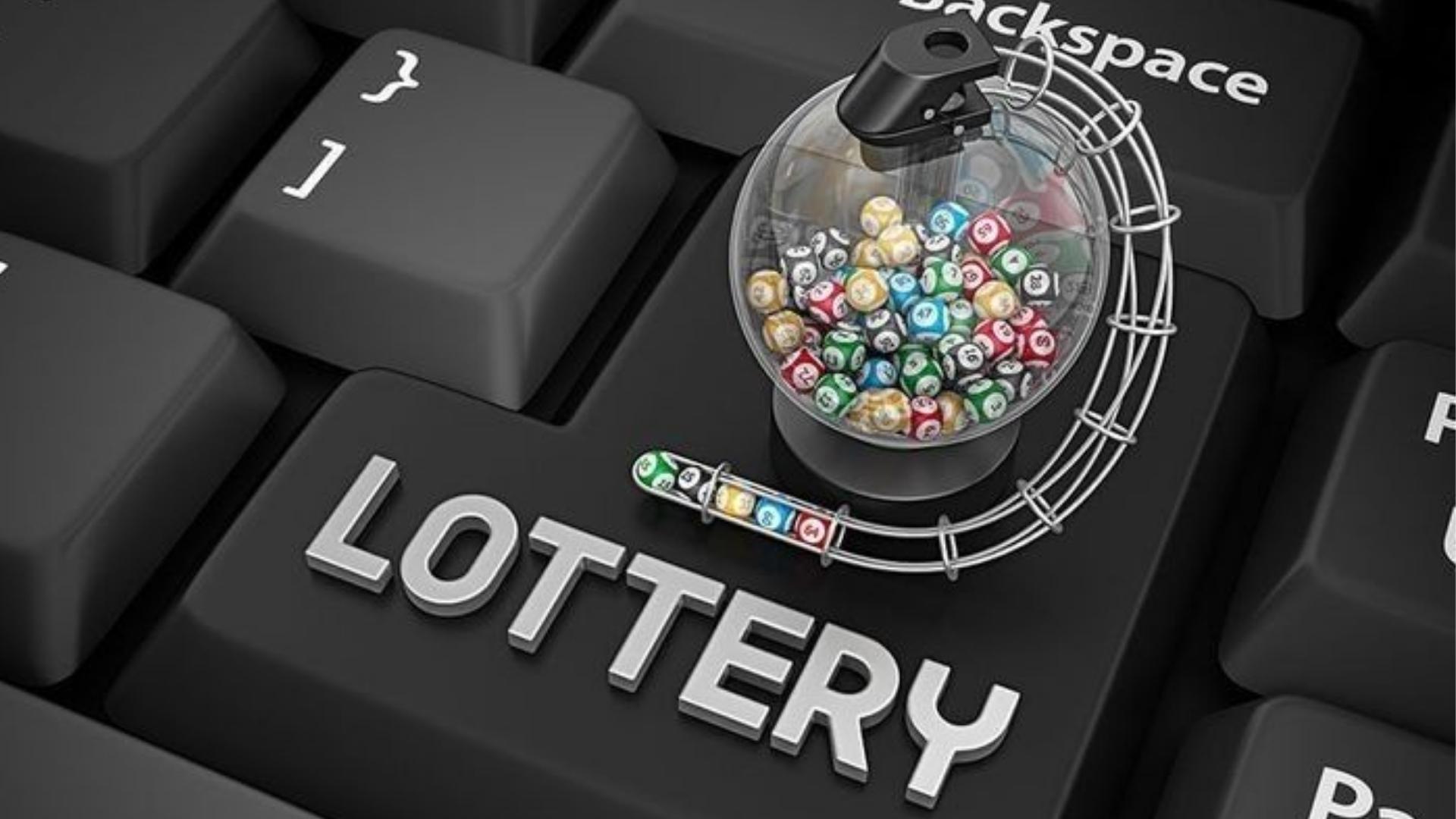
Every day, individuals face a multitude of choices that shape their personal and professional lives, from choosing a daily commute route to managing complex financial investments. Navigating these uncertain situations effectively requires more than just relying on blind intuition or past experiences. By understanding the core principles of mathematical chance, people can significantly enhance their cognitive analytical skills and achieve far more consistent outcomes.
The Value of Statistical Thinking in Modern Life
Statistical thinking provides a simplified explanation of how the world operates under conditions of hidden uncertainty. Instead of viewing unexpected occurrences as pure luck, learning probability allows individuals to evaluate risks based on factual data and historical frequencies. This systematic shift in perspective transforms chaotic situations into structured scenarios that are much easier to navigate successfully.
Developing a strong grasp of numerical likelihood helps eliminate common cognitive distortions that frequently lead to poor choices. For instance, people who study probability are less likely to fall victim to the gambler's fallacy or overestimate short-term trends. Embracing these mathematical insights ensures that long-term plans are grounded in realistic statistical expectations rather than emotional impulses.
Enhancing Analytical Agility and Risk Management
Mastering the laws of probability serves as a powerful tool for improving daily decision-making frameworks across various modern industries. Professional analysts and strategic thinkers regularly utilize these predictive models to estimate their exact chances of success before executing high-stakes operations. This calculating approach reduces the stress associated with unpredictable variables and helps maintain absolute mental clarity.
For those looking to explore how digital randomness operates in real time, observing interactive platforms can offer valuable practical insights. Engaging with dynamic environments through a reliable portal like the M88 Msports Login allows individuals to study how independent events unfold across consecutive rounds. Recognizing how numerical systems balance chance and predictability is an excellent step toward building advanced risk-assessment capabilities.
Overcoming the Fear of the Unknown
Human psychology naturally seeks absolute certainty, which often leads to severe anxiety when individuals are confronted with unpredictable outcomes. Learning how probability works helps reduce this emotional strain by demonstrating that uncertainty can be measured and managed effectively. When people understand the statistical likelihood of different scenarios, they can prepare appropriate contingencies instead of panicking.
Accepting that a single negative result does not imply a flawed strategy is a crucial lesson in logical thinking. Probability learning teaches individuals to focus entirely on the quality of their decision-making process rather than the immediate outcome. This resilient mindset fosters continuous self-improvement and encourages long-term strategic consistency in both personal and professional endeavors.
Practical Exercises for Continuous Mental Growth
Improving your statistical reasoning skills does not require memorizing dense academic textbooks or complex algebraic formulas immediately. Beginners can easily start by tracking the outcomes of simple everyday occurrences, such as weather forecasts or basic dice activities. Over time, consistent observation builds a strong intuitive understanding of statistical variations and recurring patterns.
Sharing these analytical challenges with friends or family members can turn educational progress into a deeply engaging routine. Discussing different potential outcomes helps refine logical frameworks and exposes individuals to diverse strategic perspectives. Ultimately, dedication to probability learning unlocks a smarter, more calculated approach to navigating the complexities of modern life.